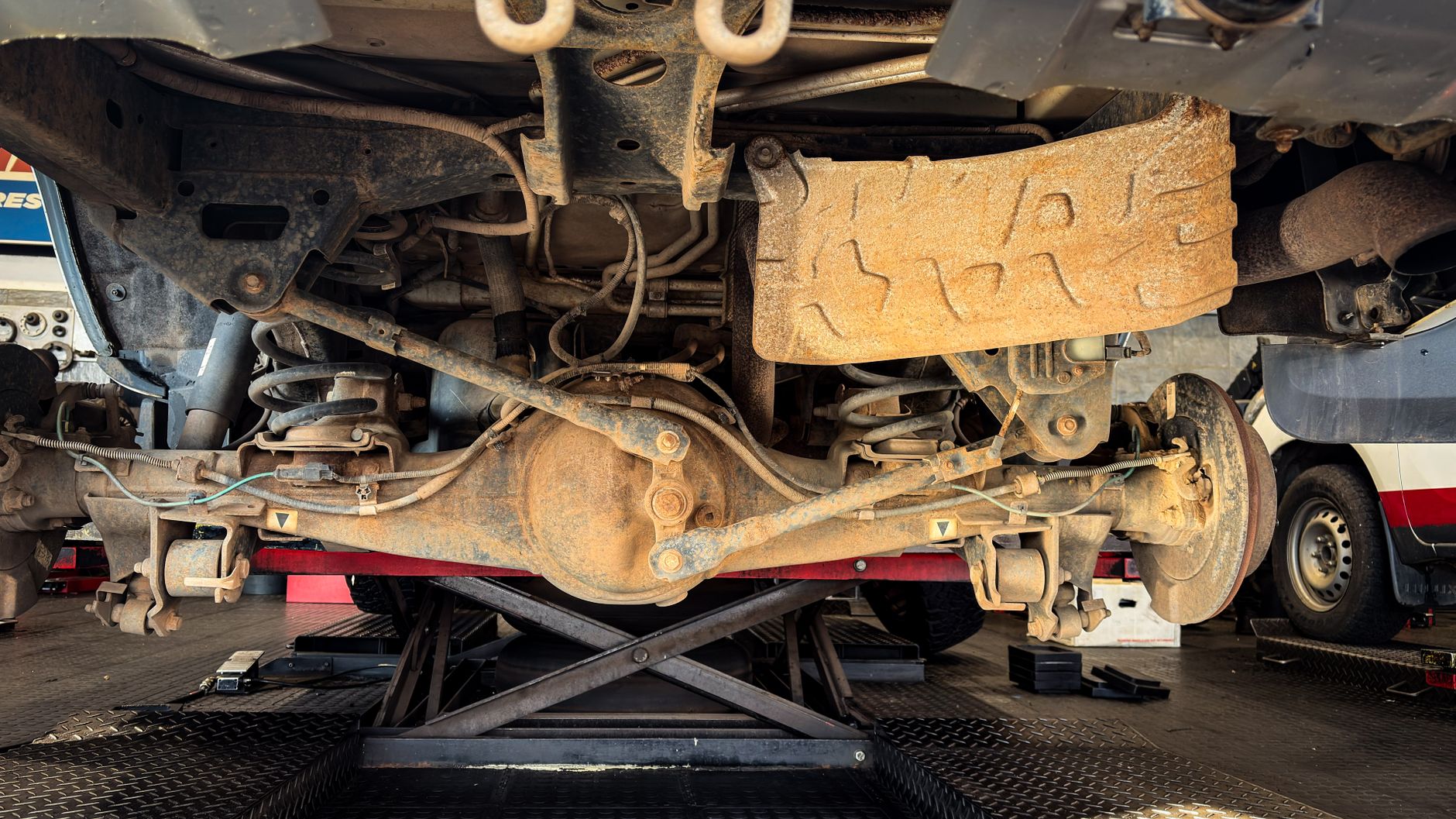
Self-repairing rust prevention is revolutionizing how we tackle corrosion. This innovative technology promises to enhance durability and longevity of metal surfaces, offering a significant advantage in various applications.
What is Self-Repairing Rust Prevention?
Self-repairing rust prevention is an innovative approach designed to combat corrosion in metals. This technology utilizes advanced materials that can autonomously detect and heal damage caused by rust. The process involves embedding microcapsules filled with a healing agent within the material. When the surface is scratched or compromised, these microcapsules release the healing agent to fill and seal the damage.
Key features of self-repairing rust prevention include:
- Autonomous Healing: The material can repair itself without human intervention.
- Extended Lifespan: Structures can last significantly longer due to reduced corrosion rates.
- Cost-Effectiveness: Minimizing maintenance and replacement saves money over time.
This method not only enhances the durability of structures but also represents a significant advancement in materials science, addressing the age-old problem of rust in a revolutionary way.
How Does It Work?
Self-repairing rust prevention utilizes advanced materials that respond to environmental damage. When exposed to moisture or corrosive agents, these materials initiate a chemical reaction that effectively seals cracks and breaks, thus preventing rust formation.
The process typically involves the incorporation of microcapsules filled with a healing agent within a protective coating. Upon mechanical stress or damage, these microcapsules rupture, releasing the agent which then polymerizes to form a solid barrier.
Key benefits of this innovative method include:
- Increased longevity: Structures treated with self-repairing rust prevention can last significantly longer than traditional coatings.
- Cost-effectiveness: Reducing the need for frequent maintenance saves time and resources.
- Environmental resistance: This technology can withstand various environmental conditions, enhancing durability.
Overall, self-repairing rust prevention is a promising advancement in material science, effectively combating corrosion and extending the life of metal structures.
Benefits of This Technology
The emergence of self-repairing rust prevention technology offers several notable benefits that can significantly enhance the longevity of metal structures and products. This innovative approach not only targets existing rust but also actively prevents future corrosion. Key advantages include:
- Cost Efficiency: Reducing the need for frequent repairs and replacements can lead to substantial savings over time.
- Enhanced Durability: Structures treated with self-repairing rust prevention methods are likely to last longer under harsh environmental conditions.
- Environmental Impact: Minimizing the use of harsh chemicals in traditional rust prevention methods contributes to a greener approach.
- Safety Improvements: By prolonging the life of critical infrastructure, this technology helps maintain safety standards and reduce accident risks.
In summary, self-repairing rust prevention not only protects materials from corrosion but also offers long-term economic and environmental benefits.
Applications in Industry
Self-repairing rust prevention technology has found significant applications across various industries, revolutionizing how materials withstand corrosion. Its innovative approach not only enhances durability but also reduces maintenance costs.
Key applications include:
- Automotive Industry: Vehicles equipped with self-repairing coatings can maintain their aesthetic appeal and structural integrity, extending their lifespan.
- Construction: Buildings and infrastructure benefit from self-repairing materials, offering enhanced protection against harsh weather conditions.
- Aerospace: Aircraft components utilizing this technology experience less wear and tear, contributing to safer and more efficient operations.
- Marine Sector: Self-repairing solutions help ships and offshore platforms resist corrosion from saltwater exposure, minimizing repair frequencies.
As industries continue to embrace self-repairing rust prevention, the potential for improved longevity and reduced environmental impact becomes increasingly evident.
Comparing Traditional Methods
When it comes to protecting metal surfaces, traditional methods have relied on coatings, galvanization, and sacrificial anodes. However, these techniques often struggle with long-term effectiveness, particularly in challenging environments.
In comparison, self-repairing rust prevention offers a revolutionary approach that addresses the limitations of conventional strategies. Unlike coatings that can chip or wear away, self-repairing systems are designed to heal themselves when damaged, significantly extending the lifespan of the metal.
Some common traditional methods include:
- Paint coatings – prone to scratches and wear.
- Galvanization – effective but can lose efficacy over time.
- Sacrificial anodes – require regular replacement and maintenance.
In contrast, self-repairing systems not only provide a more proactive solution but also reduce maintenance costs and downtime, making them a superior choice for various applications.
Future of Corrosion Resistance
The future of corrosion resistance is bright, thanks to innovative advancements in self-repairing rust prevention technologies. As industries increasingly prioritize sustainability and longevity, these methods are becoming essential in combating the pervasive issue of rust.
Experts predict that the integration of self-repairing materials will transform various sectors, including automotive, construction, and marine applications. By significantly extending the lifespan of metal structures, companies can reduce maintenance costs and minimize environmental impact.
Moreover, ongoing research aims to enhance the effectiveness of these self-repairing solutions, focusing on developing smarter materials that respond to environmental changes. This evolution could lead to even greater efficiency in rust prevention, allowing for real-time monitoring and repair capabilities.
In conclusion, the adoption of self-repairing rust prevention is not just a trend; it represents a pivotal shift towards more resilient and sustainable materials in the fight against corrosion.
Expert Opinions on Effectiveness
Experts in the field of materials science are increasingly optimistic about the potential of self-repairing rust prevention technologies. Dr. Emily Carter, a leading researcher in corrosion engineering, notes, “The ability of these materials to autonomously heal themselves represents a significant leap forward in corrosion management.” This innovation not only enhances durability but also reduces maintenance costs over time.
According to Dr. Mark Thompson, a specialist in industrial coatings, “Self-repairing systems can dramatically extend the lifespan of metal structures, making them a viable alternative to traditional rust prevention methods.” He emphasizes that industries such as automotive and construction stand to benefit immensely from these advancements.
Moreover, Dr. Sarah Jenkins, a corrosion expert, adds that “the integration of smart materials into everyday applications is a game-changer,” further solidifying the role of self-repairing rust prevention in the future of corrosion resistance.
Photo by Magda Ehlers on Pexels