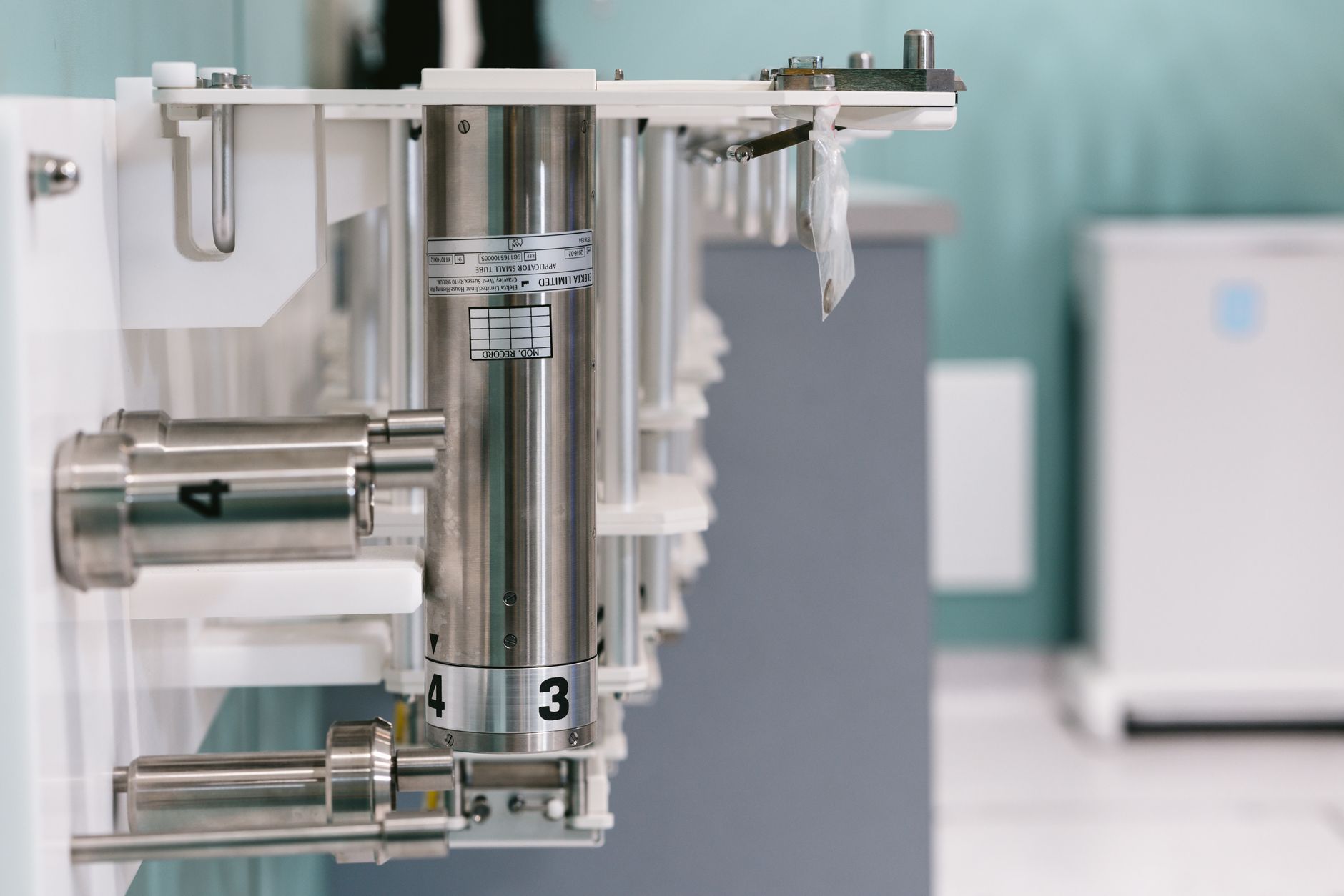
positive ion mass spectrometry is revolutionizing radiocarbon analysis by providing a simpler, more efficient method for researchers.
What is Positive Ion Mass Spectrometry?
Positive ion mass spectrometry is a powerful analytical technique used to identify and quantify chemical species based on their mass-to-charge ratio. This method involves the generation of positive ions from the sample, which are then accelerated through an electric field and analyzed by a mass spectrometer.
This technique has gained significant attention due to its ability to simplify the radiocarbon analysis process. Traditional methods can be complex and time-consuming; however, positive ion mass spectrometry offers a more streamlined approach. By focusing on the positive ions, researchers can effectively reduce the interference from negative ions and other contaminants, leading to more accurate results.
Some key advantages of positive ion mass spectrometry include:
- High sensitivity: It can detect trace amounts of carbon isotopes.
- Rapid analysis: The method allows for quicker sample processing compared to conventional techniques.
- Simplified sample preparation: Fewer steps are required, making it more accessible for laboratories.
As a result, positive ion mass spectrometry is becoming an essential tool in modern radiocarbon dating and analysis.
Benefits of Simplified Radiocarbon Analysis
Positive ion mass spectrometry offers numerous benefits for simplified radiocarbon analysis, making it an essential tool in various scientific fields. This technique enhances the accuracy and efficiency of radiocarbon dating, providing researchers with quicker results without compromising precision.
One of the primary advantages is its ability to analyze samples with minimal preparation, which significantly reduces the time and resources needed for radiocarbon analysis. Additionally, the method can handle smaller sample sizes, allowing scientists to obtain reliable data from precious or scarce materials.
Furthermore, positive ion mass spectrometry improves the detection limits for radiocarbon isotopes, enabling researchers to discern subtle variations in carbon levels. This heightened sensitivity is particularly valuable in fields such as archaeology and geology, where understanding minute changes can yield important insights into historical timelines.
In summary, the adoption of positive ion mass spectrometry streamlines the radiocarbon analysis process, making it not only faster but also more accessible for a wide range of applications.
Recent Advances in Mass Spectrometry
Recent advancements in mass spectrometry have significantly enhanced the capabilities of positive ion mass spectrometry, particularly in the field of radiocarbon analysis. These innovations have led to more accurate and streamlined processes, making it easier for researchers to obtain reliable data.
One notable development is the introduction of more sensitive detectors, which allow for the detection of lower concentrations of carbon isotopes. This improvement facilitates the analysis of small samples, making positive ion mass spectrometry an invaluable tool in archaeological and geological studies.
Additionally, the integration of advanced software for data processing has simplified the interpretation of results, enabling researchers to draw conclusions more efficiently. The automation of sample preparation and analysis has further reduced human error and increased throughput.
As a result of these advancements, positive ion mass spectrometry is becoming the preferred method for radiocarbon analysis, offering researchers a straightforward approach to understanding historical timelines and environmental changes.
Implications for Environmental Research
The advancement of positive ion mass spectrometry holds significant implications for environmental research. By simplifying radiocarbon analysis, researchers can obtain more accurate data on carbon cycles, aiding in the understanding of climate change and ecosystem dynamics.
One of the crucial applications of this technique is in tracking carbon sources and sinks. This ability allows scientists to differentiate between fossil and contemporary carbon, which is essential for assessing the impact of human activities on the environment. Such insights can inform policy decisions aimed at carbon reduction.
Furthermore, enhanced radiocarbon dating can improve studies related to environmental restoration. By providing precise ages of organic materials, positive ion mass spectrometry can help determine the efficacy of restoration efforts over time.
Moreover, its application extends to various fields, including geology and archaeology, thereby contributing to a broader understanding of historical climate patterns and their influence on current environmental conditions. Overall, the method’s role in advancing environmental research cannot be overstated.
Photo by Jo McNamara on Pexels