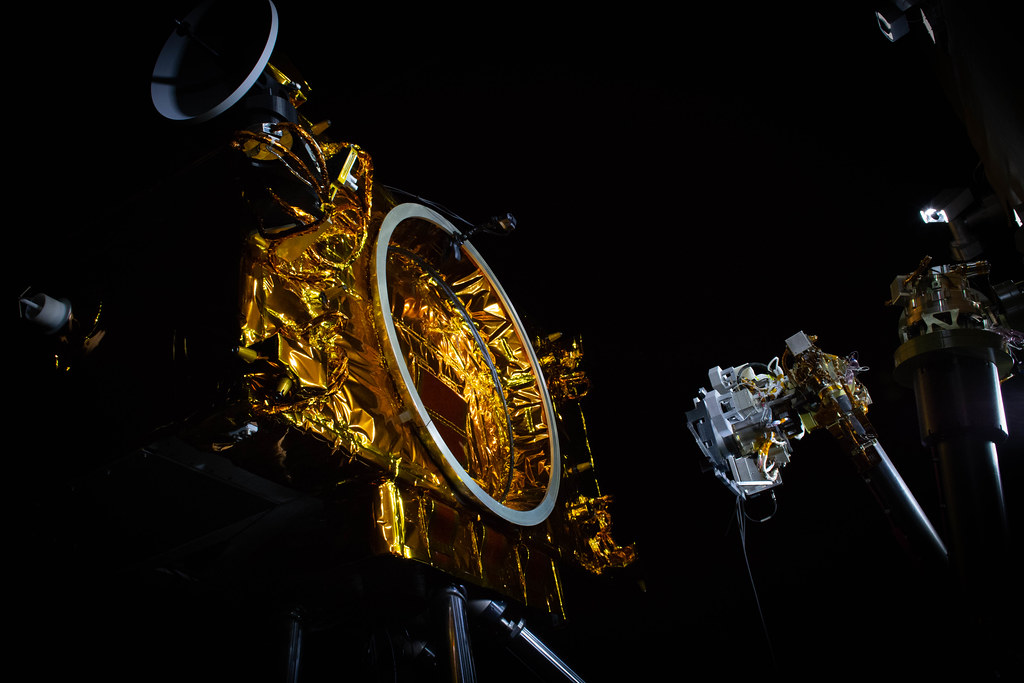
NASA robotic arm operations are currently stalled due to technical challenges. The inability to move the large robotic arm poses significant implications for ongoing projects aboard the International Space Station.
Current Status of NASA’s Robotic Arm
NASA’s robotic arm, a crucial component for operations aboard the International Space Station (ISS), is currently facing significant delays. Engineers have identified a malfunction that is preventing the arm from moving, which has raised concerns about its impact on ongoing and future missions.
The robotic arm, vital for tasks such as satellite deployment and maintenance of the station, has not been operational since the issue was detected. As the team works to diagnose and resolve the problem, the timeline for repairs remains uncertain, leading to potential setbacks in planned operations.
As a result, several key activities have been postponed, including:
- Scheduled satellite repairs
- Routine maintenance checks
- Upcoming cargo deliveries
NASA officials have expressed their commitment to restoring the functionality of the robotic arm as quickly as possible. However, the delay has raised questions about the overall efficiency of the ISS and its ability to carry out essential scientific research.
In light of these challenges, astronauts aboard the station remain prepared to adapt to the situation, relying on alternative methods for some tasks. Nevertheless, the current status of NASA’s robotic arm underscores the complexities of maintaining advanced technology in the demanding environment of space.
Challenges Faced by NASA
The recent challenges faced by NASA regarding the robotic arm have raised significant concerns about the efficient operation of the International Space Station (ISS). The robotic arm, a critical component for various tasks such as satellite maintenance and scientific experiments, is currently immobilized, leading to a cascade of operational delays.
One of the primary issues has been the failure of communication systems that control the robotic arm. This malfunction has rendered the arm inoperable, hindering scheduled operations and affecting several ongoing projects. The inability to perform routine maintenance is particularly alarming, as it impacts not only the current scientific endeavors but also future missions.
Additionally, the technical difficulties in troubleshooting the robotic arm have proven to be more complex than initially anticipated. Engineers at NASA are working diligently to diagnose the problem, but the intricacies of the system have slowed progress. The reliance on this technology underscores the need for robust backup systems and more comprehensive training for astronauts on manual operations.
Furthermore, the delays have resulted in a ripple effect, affecting international partners who rely on the ISS for data and collaboration. The situation has prompted discussions about enhancing redundancy in robotic systems to prevent such occurrences in the future.
As NASA continues to address these challenges, the focus remains on restoring functionality to the robotic arm and resuming normal operations at the ISS.
Impact on Space Station Missions
The delay in the operation of NASA’s robotic arm has significant implications for ongoing space station missions. With the arm currently immobilized, crucial tasks that rely on its functionality are being postponed, affecting both research and maintenance schedules.
NASA’s robotic arm plays a vital role in numerous activities aboard the International Space Station (ISS). The following are some of the primary impacts resulting from the current situation:
- Scientific Research: Many experiments require the robotic arm for sample retrieval and placement. The inability to operate the arm has caused delays in experiments that could advance our understanding of various scientific phenomena.
- Maintenance Operations: Regular maintenance tasks, including inspections and repairs, are dependent on the robotic arm. This delay raises concerns about the overall safety and functionality of the space station.
- International Collaboration: The ISS is a symbol of international cooperation in space exploration. Delays in operations due to the non-functioning robotic arm may hamper collaborative efforts with partner agencies, affecting joint missions.
- Future Missions: The ongoing issues may also jeopardize planned missions that depend on the space station as a staging point, potentially leading to cascading delays in upcoming projects.
As NASA works to resolve these challenges, the future of space station operations hangs in the balance.
Future of Robotic Operations in Space
The future of robotic operations in space is poised for significant evolution, especially in light of recent setbacks experienced by NASA. The ongoing delays related to the NASA robotic arm have prompted discussions about how future missions will adapt to these technological hurdles. Experts suggest that advancements in robotics and automation will be essential to ensure the effectiveness of space operations.
One key area of focus is enhancing the reliability of robotic systems. As NASA works to address the current challenges, engineers are exploring the integration of artificial intelligence and machine learning into robotic arms. This could lead to systems that are not only more autonomous but also capable of performing complex tasks with minimal human intervention.
Additionally, new designs for robotic arms are being proposed, emphasizing modularity and flexibility. Such innovations would allow for quick repairs and upgrades, ensuring that the technology keeps pace with the demands of long-term space missions.
Furthermore, collaboration with private space companies may play a crucial role. By leveraging commercial advancements in robotics, NASA could accelerate the development of next-generation systems.
In conclusion, while the current situation surrounding the NASA robotic arm is challenging, it also presents an opportunity to rethink and reshape the future of robotic operations in space, paving the way for more efficient and resilient missions.
The delays caused by the malfunctioning NASA robotic arm have raised concerns among mission planners. As teams work to resolve the issues, the impact on overall space station operations remains significant due to the reliance on the NASA robotic arm for critical tasks.
By NASA Goddard Photo and Video via Openverse