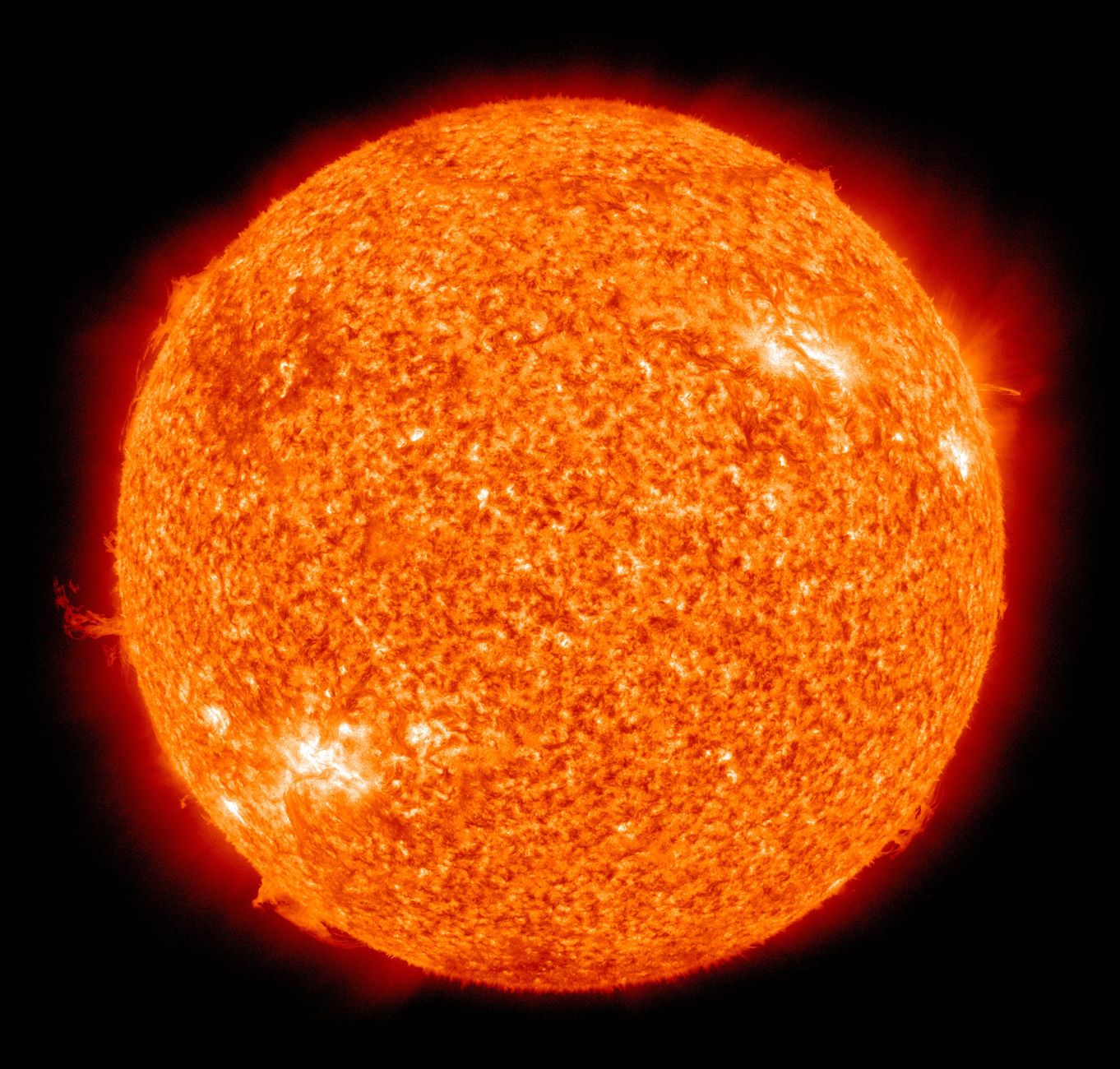
The solar system fire ice debate highlights the elemental choices made at the universe’s inception. Understanding this dynamic helps us grasp the formation of celestial bodies.
The Origins of the Solar System
The origins of the solar system are a complex interplay of various cosmic forces that led to the formation of planets, moons, and other celestial bodies. From the very beginning, the solar system chose fire over ice, with the young sun emitting intense heat that shaped the environment of nearby planets.
As materials in the protoplanetary disk began to coalesce, a clear distinction emerged between the inner and outer regions. The inner planets, like Mercury and Venus, were subjected to extreme temperatures, promoting the formation of rocky bodies, while the outer planets, such as Jupiter and Saturn, were able to accumulate ice and gas.
- Fire: Representing the inner solar system where rocky planets formed.
- Ice: Characterizing the outer solar system with gas giants and icy bodies.
This dynamic between fire and ice has had lasting implications for the solar system’s evolution.
Fire vs Ice: The Cosmic Choice
The debate of fire vs ice in the solar system reveals the dynamic forces that shaped our cosmic environment. From the earliest moments of formation, the solar system seemed to favor fire, as evidenced by the presence of rocky planets and asteroids. These bodies, rich in minerals and metals, formed in the inner solar system where temperatures were high enough to melt and solidify molten materials.
In contrast, the outer regions embraced ice, giving rise to gas giants and icy moons. This dichotomy illustrates the profound influence of temperature gradients in determining planetary formation. As scientists explore this duality, they uncover pivotal insights into the origins of our cosmos, highlighting how the solar system fire and ice coexist and interact.
- Fire: Represents rocky planets and asteroids.
- Ice: Represents gas giants and icy moons.
Understanding Celestial Formation
Understanding celestial formation is essential to grasp the dynamics of our solar system, which has been shaped by the interplay of fire and ice. The early solar nebula, a spinning disc of gas and dust, played a crucial role in the formation of planets and other celestial bodies. Within this disc, varying temperatures dictated the distribution of materials, leading to the creation of terrestrial and gas giant planets.
In regions closer to the Sun, high temperatures favored rocky, metallic bodies formed from fire, while colder, icy regions farther away allowed for the development of gas giants and icy moons. This fire vs ice dichotomy is fundamental to understanding the different characteristics of planets and their atmospheres in our solar system.
Ultimately, the selection between fire and ice influenced not only planetary formation but also the potential for life beyond Earth.
Implications for Future Research
The ongoing debate about the solar system’s preference for fire over ice has significant implications for future research in astrophysics and planetary science. Understanding the balance between these two elements can reshape our theories about how celestial bodies form and evolve.
Researchers are now focusing on several key areas:
- Planetary Formation Models: Revising existing models to incorporate the fire-ice dichotomy could lead to new insights into the conditions that foster planetary development.
- Exoplanet Studies: Investigating other solar systems may reveal varying ratios of fire and ice, offering clues about potential habitability in diverse environments.
- Astrobiology: Understanding how life could emerge in different settings influenced by fire or ice, which may inform our search for extraterrestrial life.
As scientists continue to explore the implications of the solar system fire ice dynamic, our understanding of the cosmos will undoubtedly expand.
The fascinating interplay of solar system fire ice has shaped the evolution of planets and their atmospheres. Understanding the balance between solar system fire ice is crucial for unraveling the mysteries of our cosmic origins.
Photo by Pixabay on Pexels