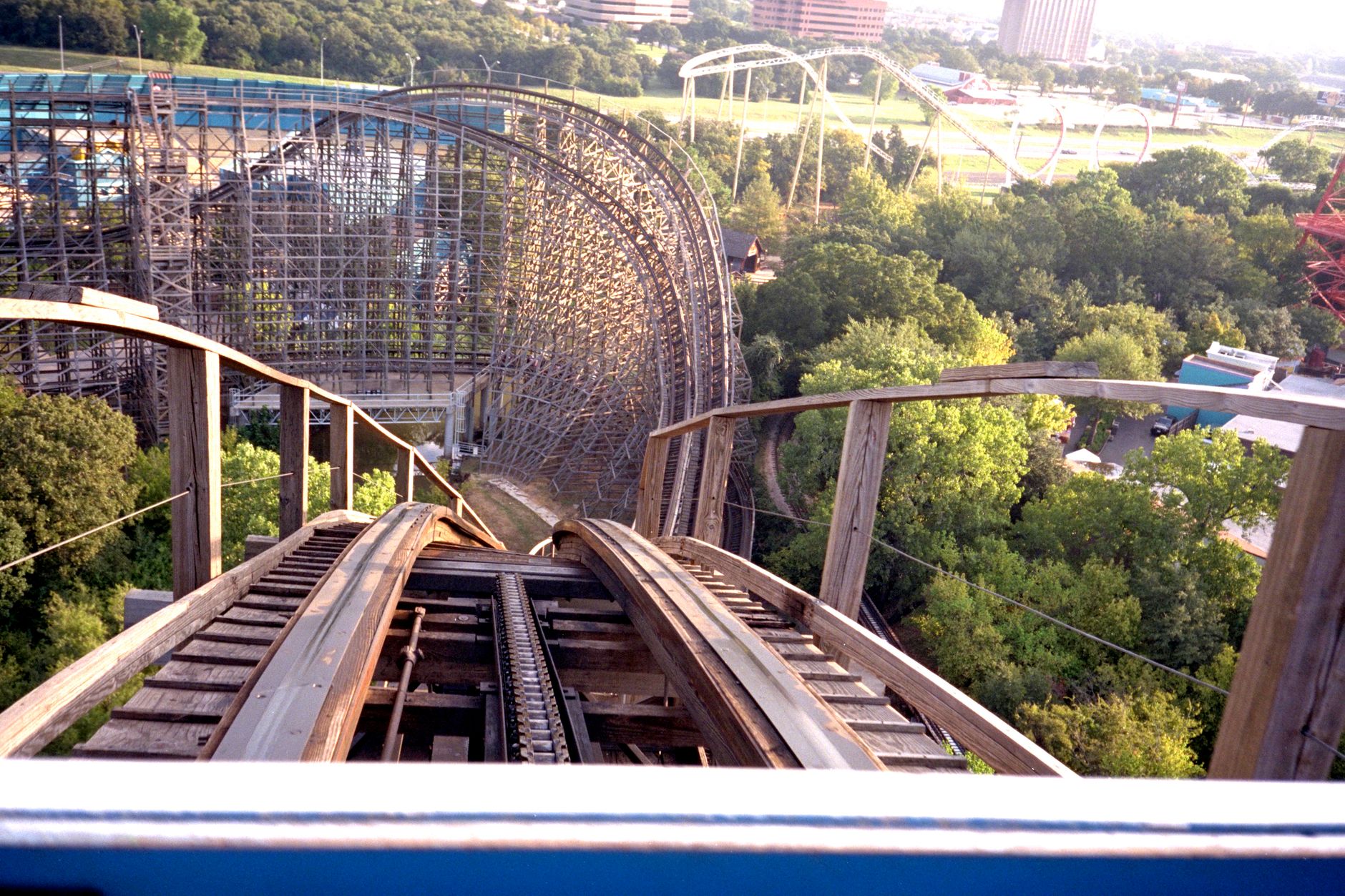
The Six Flags lawsuit alleges catastrophic brain damage caused by the X2 rollercoaster, raising serious safety concerns about amusement park rides.
Overview of the Six Flags Lawsuit
The recent Six Flags lawsuit has drawn significant attention due to shocking allegations surrounding the X2 rollercoaster at Six Flags Magic Mountain. A former rider claims to have sustained severe injuries, including what has been described as “catastrophic brain damage.” According to court documents, the plaintiff argues that the amusement park failed to provide adequate safety measures, resulting in life-altering consequences.
Legal representatives for the plaintiff are seeking substantial damages, citing negligence on the part of Six Flags. In response, the park has stated that they are committed to ensuring guest safety and will vigorously defend against the claims made in the lawsuit.
This case raises questions about ride safety standards and the potential risks associated with high-speed rollercoasters, as many thrill-seekers continue to flock to amusement parks across the country.
Details of the Allegations
The allegations in the Six Flags lawsuit are both alarming and detailed. The plaintiff claims that a ride on the X2 rollercoaster resulted in serious injuries, including catastrophic brain damage. According to court documents, the victim experienced immediate symptoms following the ride, including severe headaches and dizziness.
Witnesses have come forward, stating that they observed the plaintiff struggling to maintain consciousness after disembarking. Furthermore, medical professionals involved in the case have described the injuries as life-altering, impacting the victim’s daily activities and overall quality of life.
Legal representatives for the plaintiff argue that Six Flags failed to provide adequate safety measures and warnings regarding the potential risks associated with the ride. As the lawsuit unfolds, more details are expected to emerge, raising questions about the safety standards at amusement parks.
Impact on Six Flags Reputation
The recent Six Flags lawsuit has raised serious concerns regarding the theme park’s reputation. As allegations of catastrophic injuries from the X2 rollercoaster circulate, the company faces intense scrutiny from both the public and the media. Visitors, who once viewed Six Flags as a premier entertainment destination, are now questioning the safety measures in place.
Experts suggest that the fallout from this case could have long-lasting effects. The following factors may contribute to a decline in public trust:
- Heightened safety concerns: Patrons may hesitate to ride attractions.
- Negative media coverage: Ongoing reports can tarnish the brand image.
- Potential financial repercussions: Lawsuits could lead to increased costs and reduced profits.
As the lawsuit unfolds, the long-term impact on Six Flags’ reputation remains to be seen.
Safety Measures at Amusement Parks
As the Six Flags lawsuit unfolds, the conversation around safety measures at amusement parks has gained renewed urgency. Industry experts emphasize that stringent protocols are essential to prevent accidents and ensure guest safety. Key safety measures include:
- Regular Maintenance: Amusement parks should conduct frequent inspections and maintenance of their rides to identify potential hazards.
- Staff Training: Employees must receive comprehensive training to handle emergencies and ensure compliance with safety regulations.
- Safety Signage: Clear and visible signage should be placed near rides to inform guests of safety restrictions and guidelines.
- Incident Reporting: Parks should have a transparent system for reporting and addressing incidents, fostering accountability.
These measures are crucial to minimize risks and protect visitors from potential harm, especially in light of shocking allegations stemming from the recent lawsuit.
Public Reaction to the Lawsuit
The recent Six Flags lawsuit has sparked widespread public reaction, with many expressing shock and concern over the allegations of catastrophic injuries. Social media platforms are buzzing with opinions, as thrill-seekers and safety advocates alike weigh in on the situation.
Many park-goers are questioning the safety measures in place at amusement parks, particularly in light of claims regarding the X2 rollercoaster. Comments range from:
- “I can’t believe this is happening at one of the most popular theme parks!”
- “We need stricter regulations to protect riders!”
- “I’ll think twice before riding that coaster again.”
As the lawsuit unfolds, the public remains vigilant, eager for updates on the case and its implications for the future of amusement park safety.
Legal Implications for Theme Parks
The ongoing Six Flags lawsuit raises significant legal implications for theme parks across the country. As the case unfolds, various aspects of liability and safety regulations are being scrutinized. Legal experts suggest that the outcome could set a precedent regarding the responsibility of amusement parks in ensuring visitor safety.
Should the plaintiffs succeed in proving their claims, it may prompt a reevaluation of safety protocols across the industry. This could lead to stricter regulations and increased liability insurance costs for theme parks. Additionally, the case could encourage other individuals who have suffered injuries at amusement parks to seek legal recourse, potentially resulting in a wave of lawsuits.
As the court examines the evidence, the repercussions of this lawsuit may extend far beyond Six Flags, impacting the entire amusement park sector and instigating a culture of heightened accountability.
History of Rollercoaster Injuries
The history of rollercoaster injuries reveals a troubling pattern that raises concerns about safety standards in amusement parks. Over the years, numerous incidents have been reported, leading to lawsuits and heightened scrutiny of ride designs.
In particular, the Six Flags lawsuit has drawn attention due to allegations of severe consequences resulting from rides like the X2. Some incidents have included:
- Head and neck injuries caused by sudden stops or unexpected movements.
- Psychological trauma experienced by riders after accidents, leading to long-term effects.
- Mechanical failures that have resulted in riders being stranded or injured.
As the conversation around rollercoaster safety evolves, the Six Flags lawsuit serves as a critical reminder of the potential risks associated with thrill-seeking entertainment.
Future of X2 Rollercoaster
The future of the X2 rollercoaster at Six Flags Magic Mountain hangs in the balance as the lawsuit unfolds. With allegations of severe injuries, including claims of catastrophic brain damage, the park faces significant scrutiny.
Experts are questioning the safety protocols surrounding rollercoaster operations, particularly with rides like the X2, which is known for its unique design and high-speed thrills. The ongoing Six Flags lawsuit could lead to increased regulations for amusement parks nationwide, prompting a reevaluation of safety standards.
As the legal battle progresses, park officials are contemplating potential modifications or even the temporary shutdown of the X2. This uncertainty raises concerns among thrill-seekers who have long enjoyed the ride’s adrenaline-pumping experience.
The outcome of this case may ultimately determine the fate of the X2 and influence the future of rollercoasters across the country.
Photo by ROBERT MORROW on Pexels