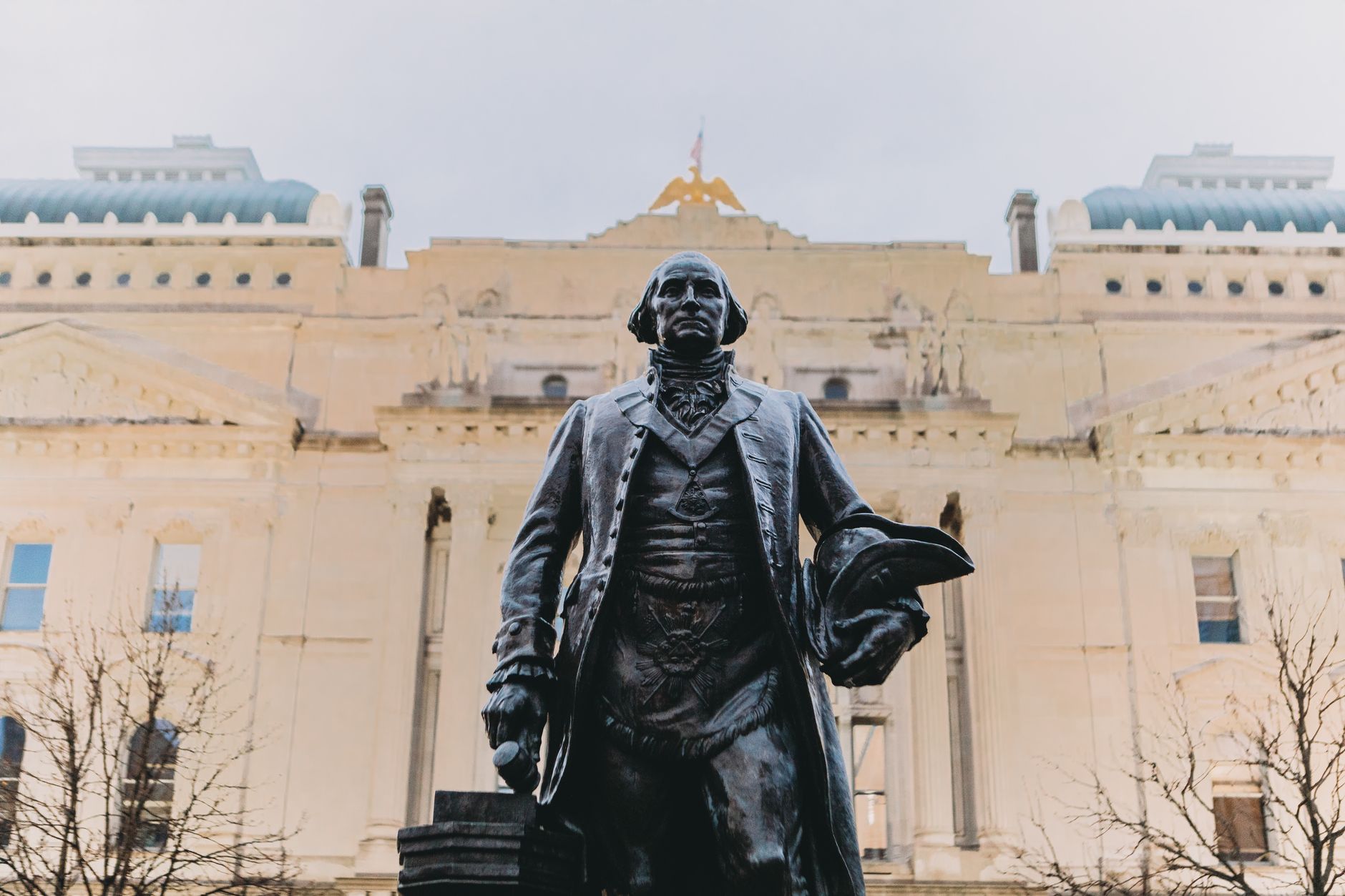
George Washington statues have become a focal point in recent discussions, especially with Trump’s proposal to install them at the Smithsonian Institution. This move has sparked various reactions and debates.
Trump’s Proposal Explained
Former President Donald Trump recently proposed that the Smithsonian Institution should install statues of George Washington as part of a new exhibit dedicated to the nation’s founding figures. This initiative aims to celebrate the legacy of Washington, who is often referred to as the father of the United States.
Trump’s vision includes:
- Highlighting Historical Significance: The proposed exhibit would focus on Washington’s role in shaping the nation, emphasizing his contributions during the American Revolution and his presidency.
- Encouraging National Pride: Supporters believe that installing George Washington statues would foster a sense of pride and unity among Americans, reminding them of their shared heritage.
- Facilitating Educational Opportunities: The exhibit would serve as a resource for educators and students, offering insights into Washington’s life and the historical context of his actions.
However, some critics argue that the installation of George Washington statues may overlook the complexities of his legacy, including his ownership of enslaved people. This debate raises questions about how history is represented in public spaces and the narratives that are prioritized in American culture.
Public Reactions to the Statues
Public reactions to the proposal of installing George Washington statues at the Smithsonian have been mixed, reflecting a range of opinions on historical representation and contemporary values.
Some individuals express strong support for the idea, viewing it as a necessary tribute to a founding father of the United States. Supporters argue that:
- The statues would serve as a reminder of Washington’s pivotal role in American history.
- They would attract tourists and educate visitors about the complexities of the nation’s founding.
Conversely, critics raise concerns about glorifying a figure who owned slaves and had views inconsistent with modern values. They argue that:
- Installing George Washington statues could perpetuate a narrative that overlooks the struggles of marginalized communities.
- It may be more appropriate to focus on more inclusive representations of American history.
As discussions continue, both sides emphasize the importance of context and education in any potential exhibition, seeking a balance between honoring history and acknowledging its complexities.
Historical Significance of George Washington
The historical significance of George Washington statues extends far beyond mere decoration; they symbolize the founding principles of the United States. Washington, as the first President, played a pivotal role in shaping the nation’s democratic ideals and governance structure. His leadership during the American Revolution and subsequent presidency established precedents that continue to influence American politics today.
Statues of Washington serve as a reminder of the struggles faced during the country’s inception, embodying the values of courage, resilience, and unity. These monuments also spark discussions about the complexities of history, including the contradictions of Washington’s legacy as a slave owner juxtaposed with his role as a champion of liberty.
Furthermore, the presence of George Washington statues at prominent institutions like the Smithsonian could encourage educational opportunities. They could serve as focal points for exploring the multifaceted nature of Washington’s life and the historical context in which he lived. Exhibiting such statues would not only honor Washington’s contributions but also engage the public in meaningful dialogues about history, identity, and memory.
Ultimately, the decision to install George Washington statues at the Smithsonian should reflect a commitment to honoring history while acknowledging its complexities.
Smithsonian Institution’s Role
The Smithsonian Institution plays a pivotal role in preserving and showcasing American history, making it an appropriate venue for discussions surrounding George Washington statues. As the nation’s largest museum and research complex, the Smithsonian has a responsibility to reflect the complexities of the past while educating the public.
In light of Trump’s proposal, the institution could benefit from a careful examination of how these statues would fit within its current narrative. The display of George Washington statues could spark conversations on various themes, including leadership, legacy, and the evolving understanding of historical figures in today’s society.
Moreover, the Smithsonian has the opportunity to create a more inclusive exhibit that contextualizes Washington’s life and actions. A multifaceted approach may involve:
- Interactive displays that encourage visitor engagement.
- Educational programs that highlight both Washington’s achievements and his controversies, including his ties to slavery.
- Community involvement in shaping the narrative and exhibit design.
In conclusion, the Smithsonian’s role is not just to display artifacts but to foster meaningful dialogue about America’s history, making the installation of George Washington statues a delicate yet important decision.
Controversies Surrounding Statues
The debate surrounding George Washington statues has intensified, particularly in light of recent proposals for their installation at the Smithsonian. Critics argue that honoring Washington, a founding father, is complicated by his ownership of enslaved people. This has led to a broader conversation about how historical figures are commemorated in public spaces.
Some advocates for the statues insist that Washington’s contributions to American democracy outweigh his personal failings. They argue that these statues serve as educational tools, providing context about the complexities of history. However, detractors contend that celebrating Washington without addressing his problematic legacy perpetuates a sanitized version of history.
In addition, the placement of George Washington statues in prominent institutions like the Smithsonian raises questions about inclusivity. Many feel that the focus should shift towards honoring a more diverse array of figures who fought for justice and equality. As discussions continue, the Smithsonian faces pressure to balance historical representation with the evolving societal values surrounding race and heritage.
Ultimately, this controversy highlights the ongoing struggle to reconcile America’s past with its ideals, prompting a reevaluation of how history is taught and commemorated.
Future of American Monuments
The future of American monuments, particularly those honoring figures like George Washington, remains a topic of intense debate. As discussions around the installation of George Washington statues at the Smithsonian gain traction, various perspectives emerge regarding their relevance and importance in modern society.
Advocates argue that these statues serve as vital reminders of the nation’s founding and the complexities of its history. They believe that George Washington statues can inspire future generations by highlighting the ideals of leadership and sacrifice. However, critics contend that placing these symbols in prominent institutions like the Smithsonian could perpetuate a glorified narrative that overlooks the darker aspects of Washington’s legacy, including his role in slavery.
The challenge lies in balancing historical remembrance with contemporary values. Many suggest that instead of mere installations, the Smithsonian should embrace a more nuanced approach. This could involve creating interactive exhibits that facilitate discussions on the multifaceted nature of American history, including both the achievements and failures of figures like Washington.
Ultimately, the decision to install George Washington statues at the Smithsonian will reflect broader societal values and the ongoing evolution of how we interpret our past.
Comparative Analysis of National Statues
The debate surrounding the installation of George Washington statues at the Smithsonian Institution brings to light various factors that contribute to the decision-making process regarding national monuments. Different cities across the United States have varying approaches to how they honor historical figures, with some opting for grand representations while others engage in critical reassessments of these figures’ legacies.
In analyzing the comparative landscape of national statues, it is essential to consider several key aspects:
- Artistic Value: Statues are often evaluated based on their artistic merit and craftsmanship, with some being celebrated for their aesthetic appeal.
- Public Engagement: The presence of statues can influence community engagement and discussions about history and identity.
- Historical Context: Understanding the historical context in which a statue is erected is crucial, as it can lead to different interpretations of its significance.
- Contemporary Relevance: The relevance of a statue today can spark debates about whether it aligns with current societal values and beliefs.
Ultimately, the decision to install George Washington statues at the Smithsonian raises questions about how society chooses to remember its past and what it wishes to convey to future generations.
Photo by Steven Van Elk on Pexels