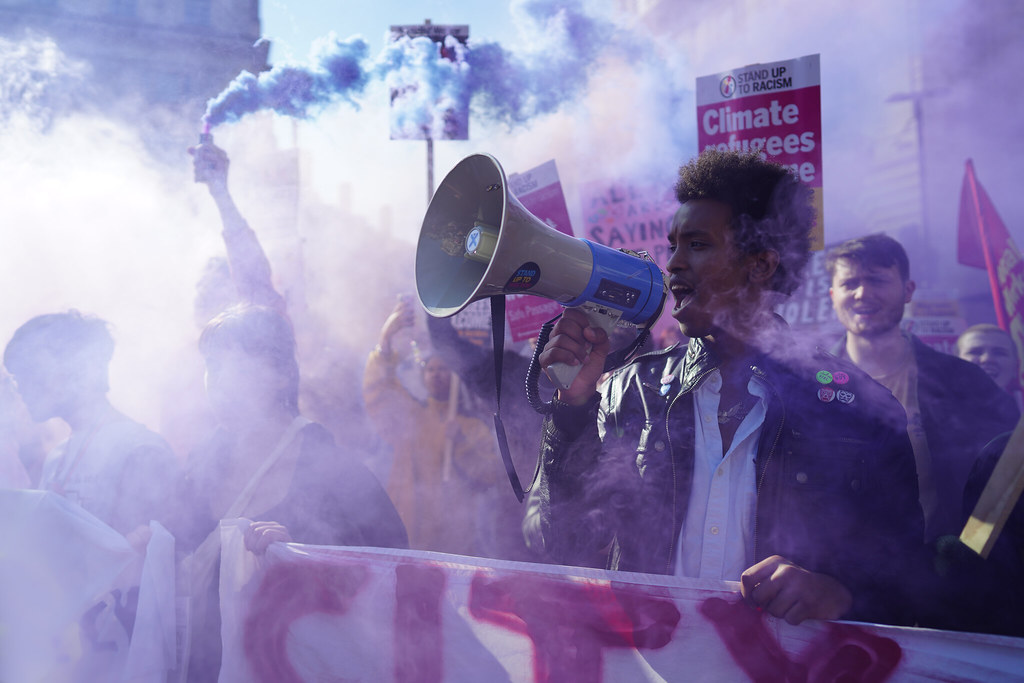
The National Rally surge has marked a significant moment in France’s political landscape, showcasing the increasing support for far-right ideologies.
Overview of the Senate elections
The recent Senate elections in France have highlighted a significant trend: the National Rally surge is reshaping the political landscape. The far-right party, led by Marine Le Pen, has seen an increase in its influence, marking a pivotal moment in French politics.
This election cycle showcased several key factors contributing to the National Rally’s success:
- Increased Voter Support: Many voters are turning to the National Rally as they express dissatisfaction with traditional parties, seeking alternatives that resonate with their concerns.
- Strategic Campaigning: The party’s focused messaging on issues such as immigration, security, and the economy has captured the attention of a broad audience.
- Regional Gains: The National Rally has made significant inroads in various regions, establishing a stronger foothold in areas previously dominated by other parties.
As the far-right gains traction, the implications for future elections are profound. The National Rally’s rise signals a shift in public sentiment and poses challenges for established political entities in France.
Impact of the National Rally surge
The recent Senate elections in France have highlighted the significant impact of the National Rally surge on the political landscape. This rise of the far-right party has not only altered the dynamics within the Senate but has also sent ripples through the broader political spectrum. Analysts agree that the National Rally’s increased representation reflects a growing discontent among voters regarding traditional parties.
Several factors contribute to this shift:
- Public Sentiment: Many citizens express frustration over issues such as immigration and economic stability, which the National Rally addresses directly.
- Strategic Campaigning: The party has effectively utilized social media and grassroots campaigning to engage voters, particularly the youth.
- Political Polarization: As France grapples with rising extremism, voters are increasingly drawn to parties that promise strong stances on national identity and sovereignty.
With the National Rally surge, political analysts predict potential shifts in policy discussions as well as the possibility of further electoral gains in upcoming elections. The implications of this rise will likely be felt across various levels of government.
Key figures in the far-right movement
The recent surge of the National Rally in France has brought several key figures into the spotlight, highlighting their roles in the far-right movement. These individuals have been instrumental in shaping the party’s policies and public image.
- Marine Le Pen: As the party leader, Le Pen has been pivotal in mainstreaming far-right ideas, distancing the National Rally from its controversial past and appealing to a broader electorate.
- Jordan Bardella: The young president of the National Rally is seen as a rising star. His emphasis on youth engagement and social issues has resonated with the party’s base and attracted new supporters.
- Louis Aliot: As the mayor of Perpignan, Aliot has successfully implemented local policies that reflect the party’s national platform, showcasing the National Rally’s governance capabilities.
- Marion Maréchal: A prominent figure in the family lineage of the party, she has been a vocal advocate for right-wing ideologies, often drawing attention during key debates.
This ensemble of leaders is driving the National Rally surge, positioning the party as a formidable force in French politics.
Voter demographics and trends
The recent National Rally surge has revealed significant shifts in voter demographics and trends, highlighting a growing support base for France’s far-right party. This surge is characterized by diverse voter profiles, which can be categorized as follows:
- Age Groups: Younger voters, particularly those aged 18-34, are increasingly drawn to the National Rally’s message, reflecting a shift in political engagement among the youth.
- Geographical Distribution: Support for the party has surged in rural and suburban areas, where economic concerns and local issues resonate more strongly with voters.
- Socioeconomic Status: The National Rally has gained traction among working-class voters who feel left behind by traditional parties, capitalizing on discontent related to job security and social services.
As the party strengthens its foothold, it has also attracted a notable proportion of female voters, challenging stereotypes about far-right support. These demographic changes indicate a widening appeal for the National Rally and suggest that the party could continue to influence France’s political landscape in upcoming elections.
Reactions from political opponents
The National Rally surge has elicited strong reactions from various political opponents across France. Many mainstream parties are expressing concern over the implications of this rise for the country’s political landscape.
- The Socialist Party condemned the National Rally’s growing influence, labeling it a threat to democratic values. Party leaders emphasized the need to unite against far-right ideologies that they claim divide society.
- The Republican Party acknowledged the National Rally’s success but argued that their policies lack feasibility. They urged voters to consider the long-term impacts of supporting far-right candidates.
- Green Party representatives voiced alarm about the environmental repercussions of the National Rally’s agenda, pushing for more progressive policies to combat climate change and promote sustainability.
- La France Insoumise criticized traditional political parties for failing to address the root causes of discontent that fueled the National Rally surge, calling for systemic reform and increased engagement with disenfranchised voters.
As the National Rally continues to gain traction, it remains to be seen how these reactions will shape the future of France’s political discourse.
Future implications for France’s politics
The recent National Rally surge in the Senate elections has profound implications for the future of France’s political landscape. As the far-right party gains momentum, traditional parties may find themselves struggling to adapt to the shifting preferences of the electorate. Observers are noting a possible realignment in voter loyalty, with many disillusioned citizens seeking alternatives to mainstream political options.
One significant concern is the potential for increased polarization within French society. As the National Rally strengthens its position, there is a risk that political discourse may become more divisive, leading to heightened tensions among different social groups. This could result in a fragmented political environment, where consensus-building becomes increasingly difficult.
Furthermore, the rise of the National Rally could embolden other far-right movements across Europe, potentially inspiring similar parties to pursue aggressive campaigns. Such a trend could reshape not only national but also European policy discussions, particularly on issues like immigration and national identity.
In conclusion, the implications of the National Rally surge extend beyond immediate electoral gains, posing challenges to France’s democratic fabric and the overall stability of the political system.
By alisdare1 via Openverse